
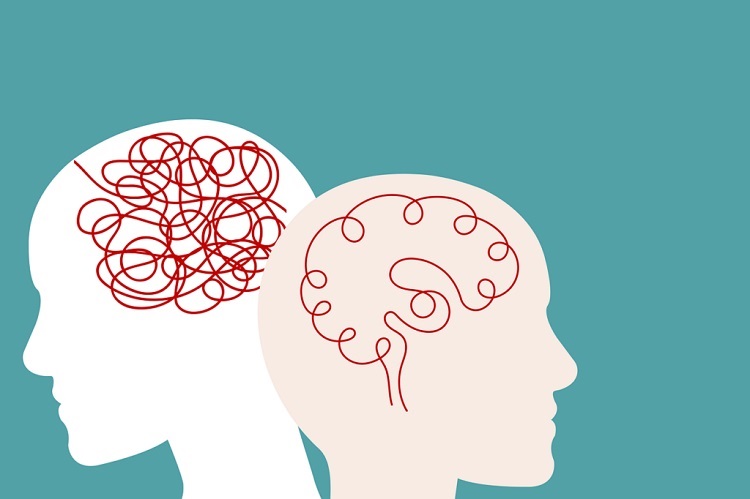
Mental health counseling isn’t just for crisis moments or long-term disorders—it’s a proactive and empowering tool that can improve the way you live, think, and interact every single day. Whether you’re navigating stress, processing life transitions, or seeking personal growth, counseling offers guidance, clarity, and emotional support that can lead to lasting change.
Many underestimate the daily impact of unresolved stress, unexpressed emotions, or negative thinking patterns. Mental health counseling helps untangle those issues, providing tools and insights that make everyday life more manageable—and often more fulfilling. Here’s how it can bring transformation to your daily routine. Engaging in mental health counseling in Denver offers individuals a supportive path to improve daily well-being, enhance self-awareness, and build emotional resilience.
Table of Contents
1. Enhances Self-Awareness
One of the most powerful effects of counseling is an increase in self-awareness. Through guided conversations and thoughtful questioning, a counselor helps you explore your behaviors, thoughts, and emotional responses. Better self-esteem, healthier boundaries, and better decision-making can result from having a deeper understanding of who you are.
Realizing your triggers, communication style, and patterns helps you have more control over how you react to everyday situations.
2. Improves Emotional Regulation
We all face moments of frustration, anxiety, sadness, or overwhelm. You can better control these emotions with the help of counseling. Instead of reacting impulsively or bottling up feelings, you learn how to process emotions in a healthy, constructive way.
Over time, this emotional resilience leads to more peaceful relationships, clearer thinking, and less stress in your day-to-day life.
3. Boosts Communication And Relationship Skills
Mental health counseling doesn’t just benefit you—it also enhances how you relate to others. Many sessions involve exploring communication styles, conflict resolution strategies, and empathy building. Better relationships with friends, family, coworkers, and partners may result from this.
You’ll likely find yourself feeling more confident expressing your needs and listening more effectively to others. Stronger communication leads to less friction and more fulfilling interactions.
4. Reduces Daily Stress And Mental Overload
Daily life can be overwhelming, especially when you’re balancing work, relationships, health, and personal goals. Counseling provides a dedicated space to decompress, sort through mental clutter, and reframe problems.
This regular practice of reflection and release helps reduce chronic stress and prevent burnout. Additionally, counselors can assist you in creating customized stress-reduction strategies like cognitive reframing, time management, and mindfulness.
5. Helps Build Healthy Habits And Routines
Whether you’re trying to improve your sleep, create boundaries with technology, or break a cycle of procrastination, a counselor can help you identify what’s holding you back and how to implement changes.
Mental health counseling focuses not only on mental wellness but on how your habits impact your overall well-being. Through accountability and strategic planning, you’re more likely to maintain consistent, positive routines that support your daily goals.
6. Encourages Goal Setting And Personal Growth
Counseling isn’t just about addressing problems—it’s also about growth. Many people go to therapy to develop meaning, gain confidence, or examine their life goals. A counselor serves as a supportive guide who helps you define and pursue your ambitions.
With clearer direction and encouragement, you may find yourself taking positive steps in your career, relationships, or self-development that once felt out of reach.
7. Fosters A Greater Sense Of Control
Life often throws the unexpected at us. Counseling can help you feel more grounded and equipped to deal with uncertainty, even though you can’t control everything. Having a safe space to explore thoughts, practice coping skills, and plan responses gives you a sense of control—even in unpredictable times.
This psychological stability reduces reactivity and increases confidence, making your day-to-day experiences more manageable.
Final Thoughts
Mental health counseling isn’t only for moments of crisis—it’s a proactive investment in your daily well-being. From emotional clarity and relationship improvements to better habits and stronger self-esteem, its benefits touch nearly every part of life. Mental health counseling can give you the resources and encouragement you need to develop a better, more capable version of yourself, one day at a time, regardless of whether you’re struggling or just want to live a more purposeful life.