
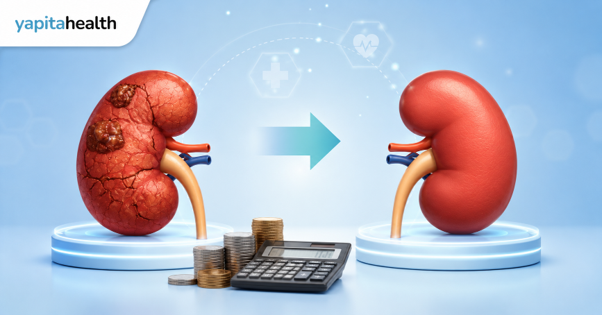
When a family is planning a kidney transplant, the first question is often simple: how much will the treatment actually cost? The answer is not as simple because the final expense depends on the hospital, city, donor evaluation, medical condition, length of stay, medicines, and care required after surgery. All these factors can affect the kidney transplant cost in India.
India is a popular choice for transplant treatment because patients can find experienced transplant specialists and well equipped hospitals across several major cities. However, comparing hospitals only by the quoted price can be misleading. A lower estimate may not include every investigation, hospital service, medicine, or follow up expense.
For this reason, patients should understand the likely expenses and ask the right questions before selecting a hospital.
Table of Contents
What Affects the Overall Treatment Cost?
The cost can change considerably from one patient to another. Before surgery, both the recipient and donor usually need detailed medical assessments. These may include blood tests, tissue typing, cross matching, imaging, heart evaluation, and other investigations recommended by the transplant team.
The type of transplant also matters. A living donor transplant involves a detailed assessment of the potential donor before the procedure. A deceased donor transplant follows a different process and may involve waiting for an appropriate kidney through the authorised allocation system.
The patient’s health can also affect the final bill. Someone with additional medical problems may require more tests, longer hospital care, or closer monitoring. Special transplant procedures may also involve additional medicines and treatment.
This is why an online figure should be viewed as a useful starting point rather than a guaranteed hospital quotation.
Cost Breakdown
The following city wise estimates provide a clearer picture of how prices can differ across India. These figures are approximate and can change depending on the hospital, patient’s condition and treatment requirements.
| Cities | Cost in INR | Cost in USD |
| Delhi | ₹11,47,600 to ₹12,35,000 | $12,500 to $13,400 |
| Chennai | ₹6,08,200 to ₹15,76,000 | $7,300 to $18,900 |
| Ahmedabad | ₹5,64,700 to ₹14,10,900 | $6,800 to $16,900 |
| Bangalore | ₹6,64,100 to ₹16,58,000 | $8,000 to $20,000 |
| Mumbai | ₹7,01,300 to ₹19,91,100 | $8,500 to $24,200 |
| Pune | ₹6,39,200 to ₹16,51,600 | $7,800 to $20,100 |
| Hyderabad | ₹5,89,600 to ₹16,51,600 | $7,100 to $20,100 |
| Kolkata | ₹5,39,900 to ₹14,56,200 | $6,500 to $17,900 |
These estimates show why patients should not assume that treatment will cost the same in every city. The final quotation should always be prepared after the hospital reviews the patient’s medical records and donor details.
What Should Be Included in the Hospital Estimate?
A good quotation should give the family a clear idea of where their money is going. It may include the recipient’s evaluation, donor assessment, transplant surgery, surgeon fees, anaesthesia, hospital room, nursing care, medicines during admission and routine monitoring.
However, every hospital may structure its package differently. Some expenses may be charged separately. These can include additional tests, intensive care, extra hospital days, blood products, treatment for complications and medicines required after discharge.
Before booking treatment, ask the hospital for an itemised estimate. It is also useful to ask what happens if the patient needs to stay longer than expected. This gives families a more realistic picture of their possible spending.
Why Choosing the Hospital Matters
Price is important, but it should not be the only factor. A kidney transplant requires coordination between transplant surgeons, nephrologists, anaesthetists, critical care teams, nurses, laboratory staff and other specialists.
When deciding where to go for a transplant, consider the hospital’s transplant experience and the post-operative care available. Find out what happens if there are any complications and if there will be care provided by specialty teams after discharge.
It is also important to ask about the length of stay in the hospital, if there are ICU beds available, and if they have labs on site and how quickly they can process requests. A hospital with a higher quote may actually have a better overall value.
Living Donor and Deceased Donor Transplants
For a living donor transplant, the donor needs to complete medical and compatibility assessments before surgery. The transplant team must confirm that donation is medically appropriate and that the donor meets the required criteria.
A deceased donor transplant is different because the patient may need to wait for a suitable organ through the authorised allocation process. The timing can therefore be less predictable.
Families should also make sure that all donor documentation, consent and eligibility requirements are handled through the authorised transplant team. Organ donation in India is regulated by law, and patients should avoid any arrangement involving the buying or selling of organs.
Do Not Forget Expenses After Surgery
The financial planning should not stop when the patient leaves the hospital. A transplant recipient normally needs regular consultations, blood tests and medicines to reduce the risk of rejection.
These medicines can become a continuing expense. Families should also consider travel, accommodation and caregiver costs if treatment is being taken in another city. International patients may have additional expenses related to travel, accommodation and a longer stay in India.
Discussing these costs with the hospital before treatment can make the financial planning much easier.
How to Compare Hospitals Before Making a Decision
Instead of taking quotes from as many hospitals as possible, shortlist two or three hospitals that meet your criteria and compare the offerings from those hospitals.
Find out whether the hospitals include evaluation of donors, the number of covered hospital days, whether they provide intensive care, covered medicines, and what after-care services they provide. Inquire about the cost of potential extra charges should complications occur, or should the hospital stay become longer.
For patients searching for hospitals and treatment, Yapita Health can help you research treatment, estimate costs, and provide treatment and hospital options. However, patients still must provide their medical records to the transplant team and receive their quotations to make an informed decision.
Look Beyond the Quoted Price
A transplant is a major decision that involves both immediate treatment and years of follow up care. The most suitable hospital is not necessarily the one with the lowest advertised price.
Patients should look for a transplant team with relevant experience, suitable hospital facilities, transparent billing and dependable follow up support. Most importantly, ask for a detailed estimate that clearly explains what is included and what may cost extra.
Taking this approach helps families compare hospitals more confidently and prepare for the real financial commitment instead of making a decision based on one number.